
Portable tire inflators are easy to underestimate because many models look almost identical online. In practice, the useful differences show up in inflation speed, duty cycle, hose reach, power source, controls and whether the unit is still convenient after months in the trunk.
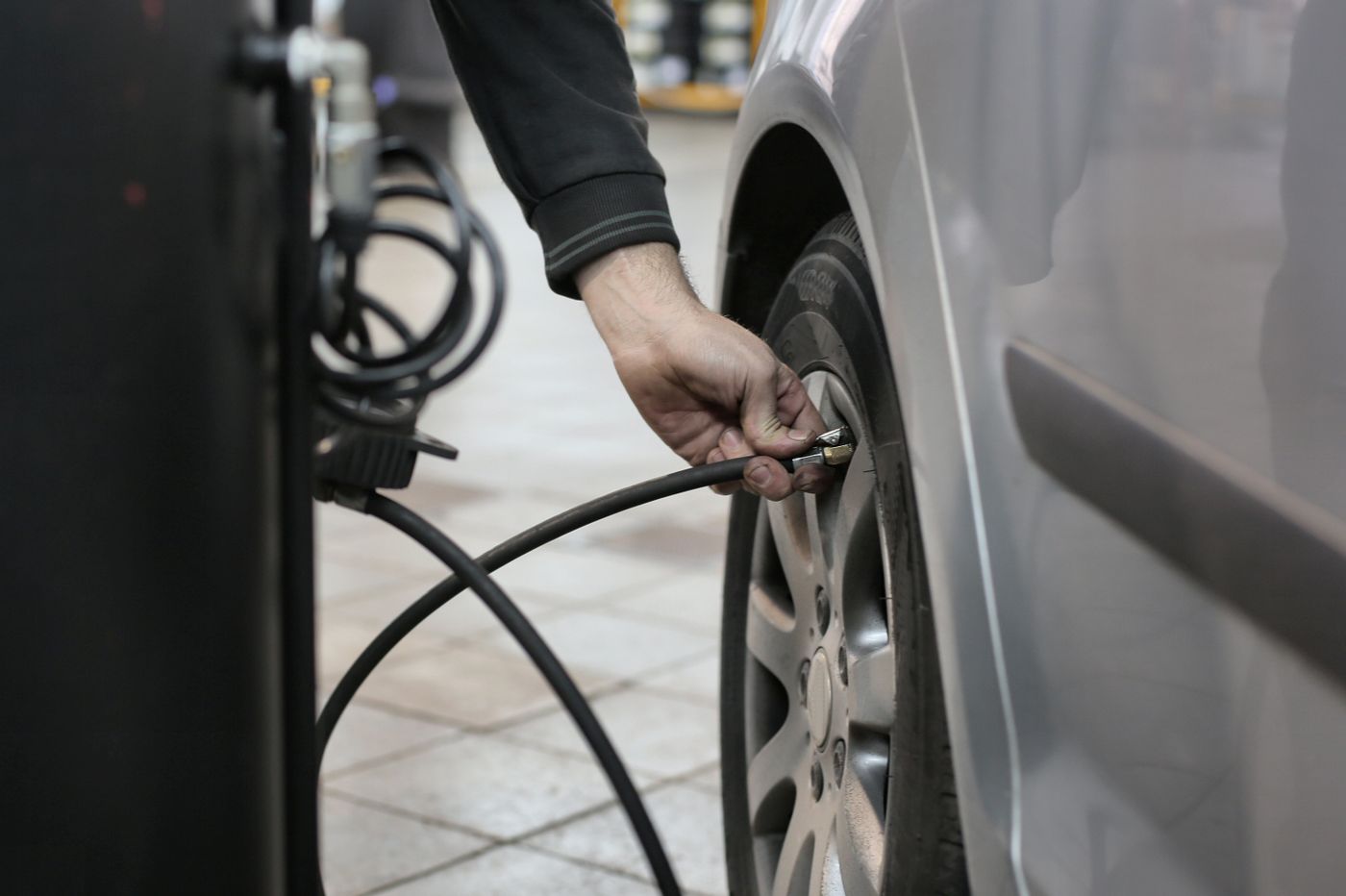
Start with tire size, not the PSI headline
This is the first area to evaluate because it changes which products are realistic candidates and which specifications are mostly marketing noise.
Inflation speed and heat management
Look beyond the specification sheet and consider the way the product behaves in normal ownership. Controls, refilling, cleaning, charging, carrying, noise and storage often decide whether the purchase feels easy or annoying.
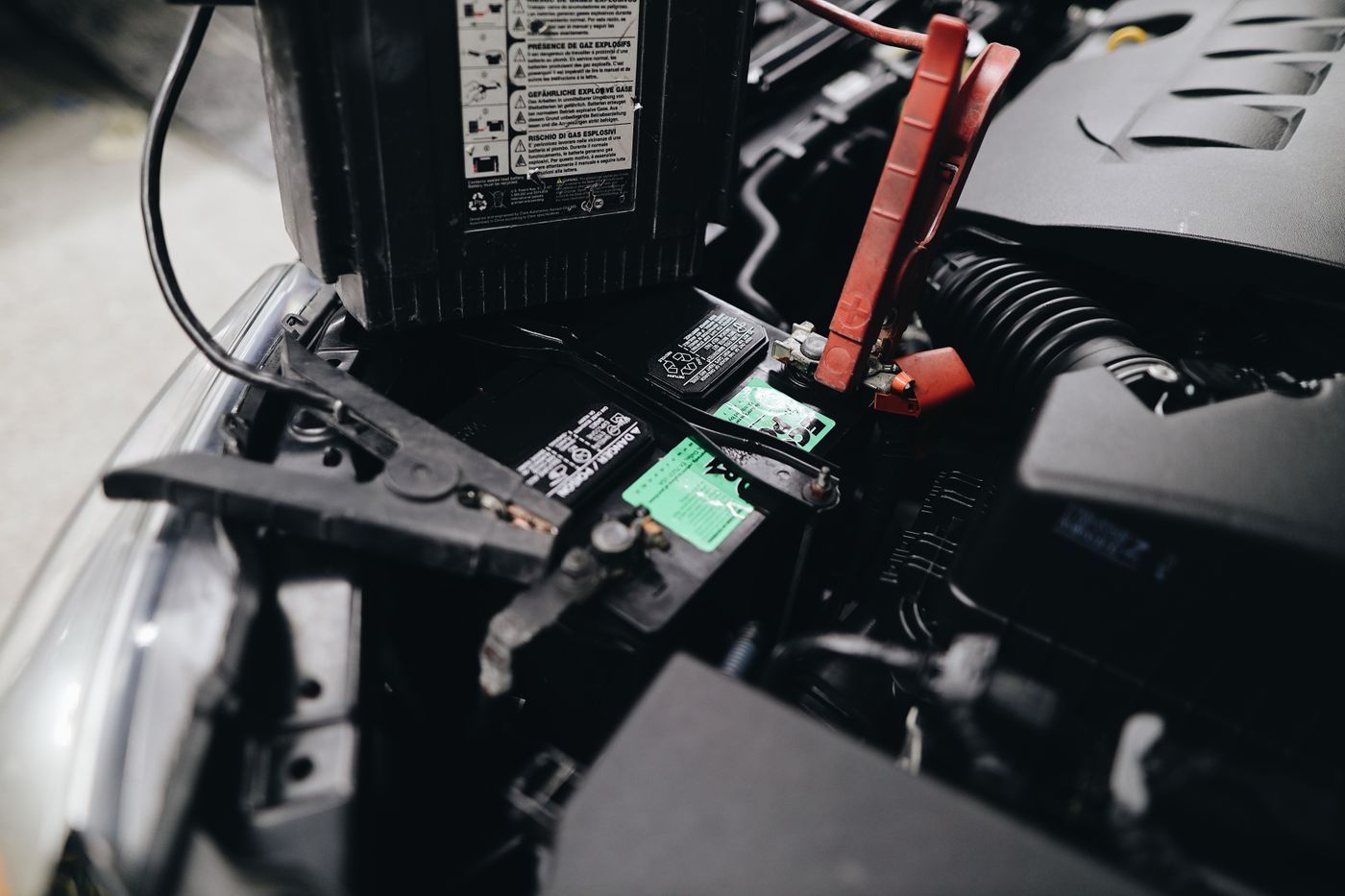
Corded vs. battery-powered inflators
| Type | Main advantage | Main trade-off |
|---|---|---|
| Corded 12V | Simple and dependable if the vehicle has power | Cable routing and outlet access |
| Rechargeable | Convenient away from the vehicle | Battery needs periodic charging |
| Dual-power | Best flexibility | Higher price and more bulk |
What auto-stop actually changes
Ownership details matter because products live in real spaces. Check dimensions, cable or hose reach, battery access, cleaning requirements, replacement parts and the location where the product will be stored. These details are often missing from a quick comparison chart.
- Do not buy only by maximum PSI; many passenger-car tires need modest pressure but meaningful air volume.
- Check whether the hose reaches all four wheels from the intended power source.
- If the unit is rechargeable, treat charging it as part of routine vehicle maintenance.
Storage, hose reach and night use
Use price as the final filter rather than the first. Start by removing options that do not fit your space, power source, capacity, safety needs or maintenance tolerance. Then compare the remaining choices on value and warranty.
Related reading: portable tire inflator buying guide.
Quick questions
Should I buy the model with the highest specification?
Not automatically. A higher number is useful only when it improves the task you actually perform. Extra capacity or power can also add weight, noise, size or cost.
How should I compare reviews?
Look for recurring ownership themes rather than one dramatic positive or negative review. Pay attention to setup, durability, customer support, replacement parts and whether complaints are relevant to your intended use.