
A portable tire inflator is one of those car accessories that can be genuinely useful without taking up much trunk space. The important part is choosing one that matches your tires, power source and expectations instead of buying by the biggest PSI number on the box.
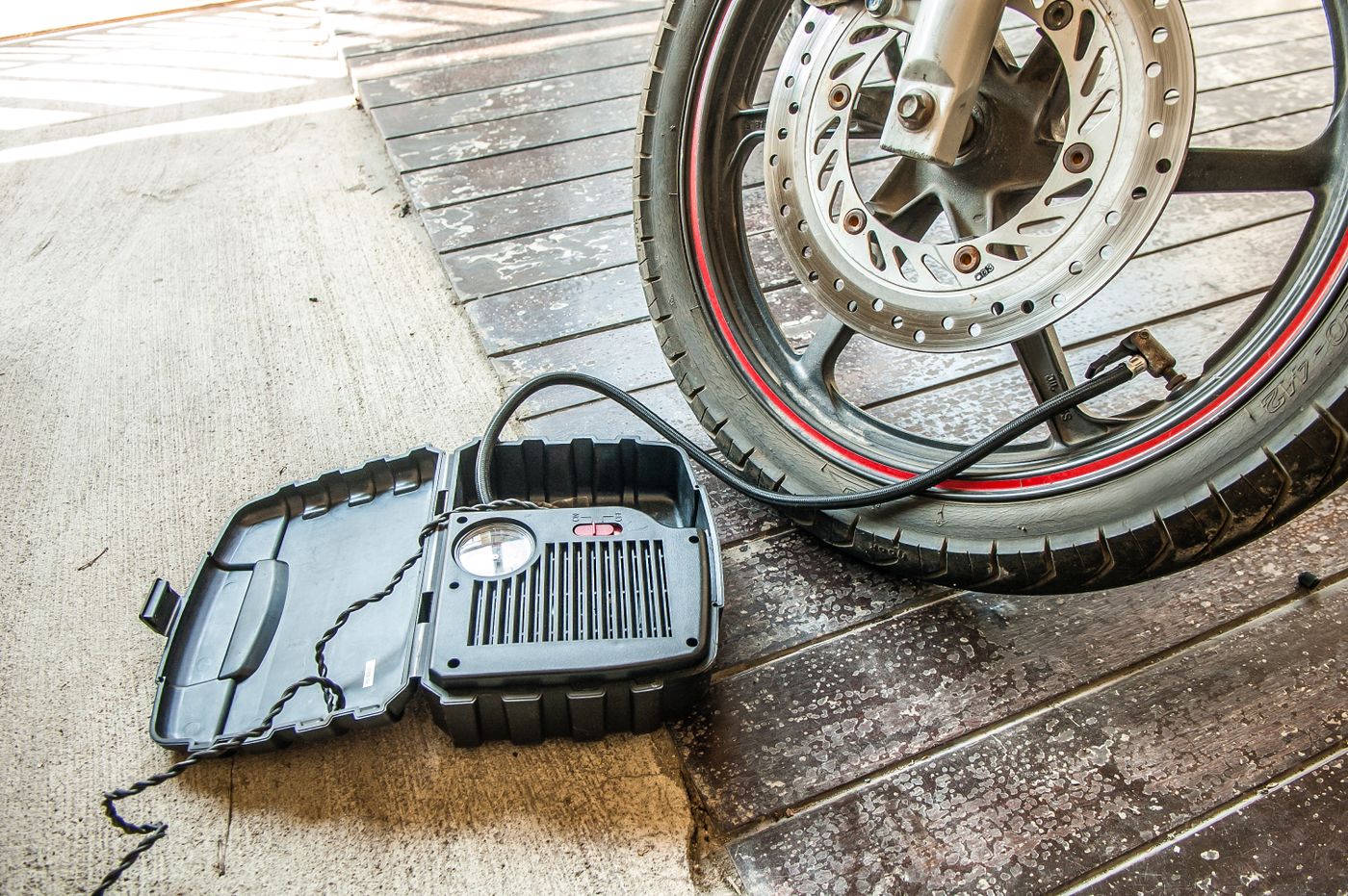
1. Start with the tires you actually need to inflate
Passenger-car tires, crossover tires and larger light-truck tires do not place the same demand on a small compressor. Maximum pressure tells you whether an inflator can theoretically reach a pressure; it does not tell you how quickly it can move air or how hot it becomes during a long inflation cycle.
- Your vehicle’s recommended cold tire pressure from the door-jamb placard.
- The tire size.
- Whether you mainly need routine top-ups or emergency inflation from a very low tire.
2. Corded 12V, rechargeable or dual power?
| Power type | Best for | Trade-off |
|---|---|---|
| 12V vehicle outlet | Keeping permanently in the car | Requires cable reach and vehicle power |
| Rechargeable battery | Convenience and portability | Battery must be kept charged |
| Dual power | Drivers wanting both options | Usually larger or more expensive |
A rechargeable unit is convenient, but it adds another battery that must be maintained. A corded model is less independent but can be very sensible for a unit that spends most of its life in the trunk.
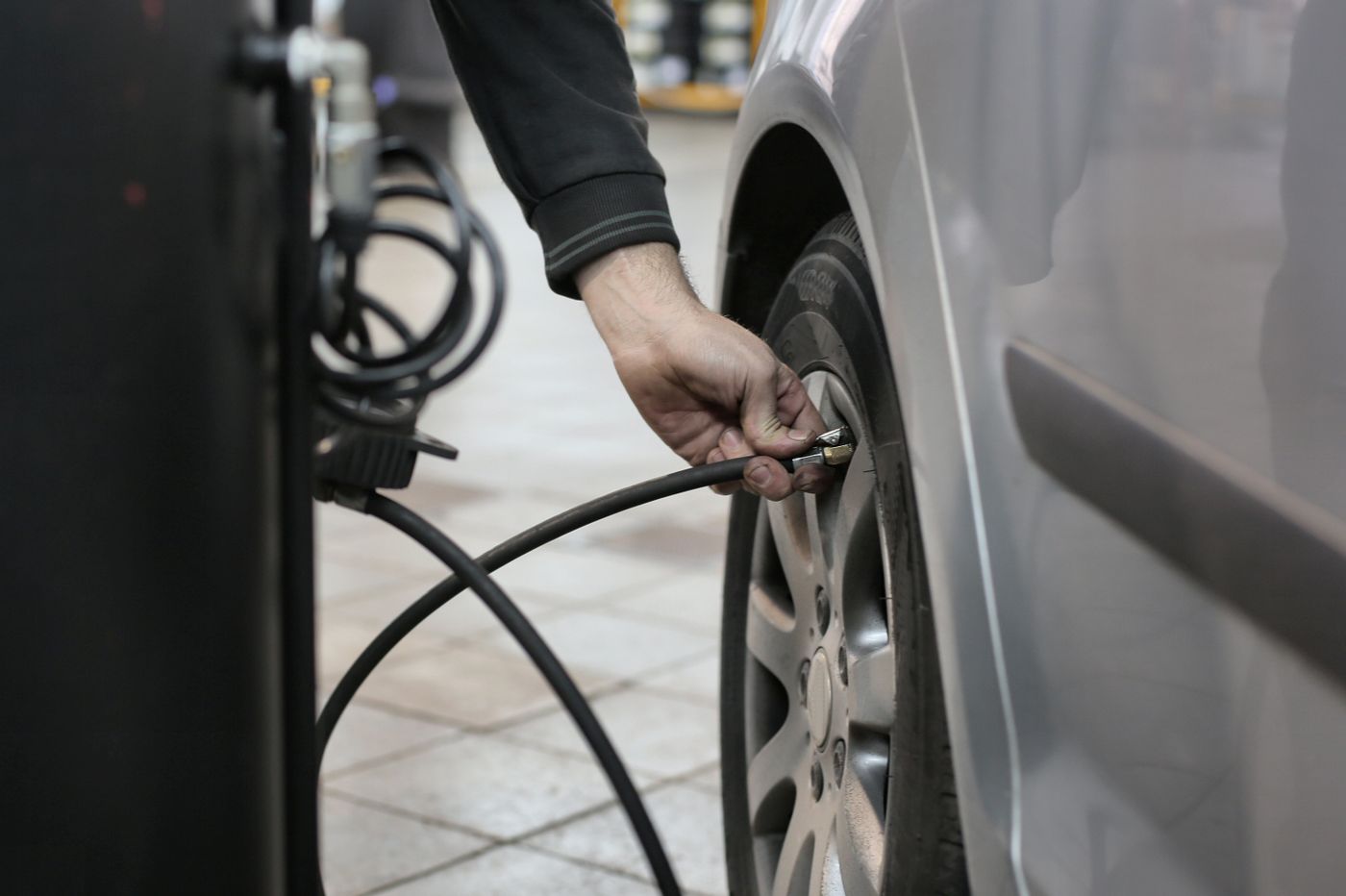
3. Inflation speed matters more than extreme PSI claims
For normal road vehicles, the useful question is how long the inflator takes to move a tire from meaningfully low pressure back to the vehicle’s recommended pressure. Look for manufacturer test conditions that state tire size and starting/ending pressure. Without those conditions, speed claims are difficult to compare.
4. Check duty cycle and heat management
Small compressors generate heat. Some require a cool-down period after several minutes of operation. This becomes important if you expect to inflate multiple tires or a larger tire from a low starting pressure.
5. Hose and power-cable reach
Imagine the inflator sitting at its power source and make sure the hose and cable can reach the valve stems comfortably. A technically powerful inflator can still be frustrating if its cables force awkward positioning around the vehicle.
6. Auto-stop, gauge and night use
Auto-stop can make routine top-ups easier: set the target and allow the inflator to stop at that reading. A clear display and integrated work light are useful roadside features, but the gauge should still be treated as something worth checking periodically against a known-good tire-pressure gauge.
What we would prioritize
- Compatibility with your tire size.
- Realistic inflation-time information.
- A practical power source.
- Enough hose/cable reach.
- Simple controls and readable pressure display.
- A storage format that actually fits your vehicle.
Bottom line
For most daily drivers, a moderate-size inflator with straightforward controls is more useful than an oversized specification sheet. Choose around tire size and real use first; treat extra modes and accessories as secondary.
Related reading: our portable tire inflator research review and best emergency car gear for daily drivers.
How to choose a tire inflator without overbuying
The most useful portable tire inflator is not necessarily the one with the highest maximum PSI. Passenger-car tires usually require much less pressure than the headline number on many inflators. What matters more is whether the compressor can move enough air for your tire size, how long it can operate before cooling, whether the power cable or hose reaches every wheel and whether you can use it easily at the roadside.
Start with tire size and intended use
Routine top-ups are much easier on an inflator than filling a large tire from very low pressure. If your goal is simply correcting a few PSI once a month, a compact unit can be sufficient. If you drive a larger SUV, pickup or vehicle with high-volume tires, look more closely at inflation-time testing, duty cycle and heat-management information.
| Power type | Main advantage | Main trade-off | Best fit |
|---|---|---|---|
| 12V corded | Does not depend on a charged internal battery | Cable routing and outlet access matter | Permanent trunk storage |
| Rechargeable | Easy to use away from the vehicle | Battery must be maintained | Drivers who value portability |
| Dual-power | Flexible backup options | Often larger and more expensive | Frequent travelers or multi-vehicle households |
Inflation speed: read the test conditions
A useful speed claim should tell you the tire size and the starting and ending pressure. A statement such as “inflates in two minutes” is not meaningful without those conditions. When manufacturers publish a test, compare it only with another test using a similar tire volume and pressure range.
Duty cycle and heat
Small compressors become hot during operation. Some require a cooling period after several minutes. This is not a minor specification if you expect to inflate multiple tires in one session. A unit that performs well for one quick top-up may be inconvenient for four low tires.
- Can the power lead reach all four tires?
- Is the hose long enough to place the compressor safely?
- Can the display be read in bright sun and at night?
- Does the unit have an auto-stop feature?
- Is there a storage case or a practical way to secure the hose and cable?
- Does the vehicle manufacturer recommend a specific tire pressure that the inflator can set accurately?
Gauge accuracy and auto-stop
Auto-stop is convenient for routine maintenance, but it is still sensible to periodically compare the inflator reading with a reliable tire-pressure gauge. Tire pressure should be set according to the vehicle manufacturer’s placard, not the maximum pressure printed on the tire sidewall.
Who needs a larger inflator?
Drivers with larger tires, frequent towing, off-road pressure adjustments or repeated multi-tire use may benefit from a higher-output compressor designed for longer operation. A compact inflator is usually a better fit for ordinary passenger-car top-ups and emergency trunk storage.
Frequently asked questions
Is higher PSI better?
Not by itself. Maximum pressure does not tell you how quickly the compressor moves air or how long it can run continuously.
Should I buy battery-powered or 12V?
Battery models are convenient, while 12V models avoid depending on a stored battery charge. Choose around how often you will maintain the unit and where you expect to use it.
Can an inflator repair a puncture?
No. An inflator only adds air. A damaged tire may need repair or replacement, and some punctures should not be driven on even after reinflation.
Safety note: Use the vehicle manufacturer’s recommended tire pressure and follow the inflator manufacturer’s operating and cooling instructions.