
Beginning hikers are often presented with expedition-level equipment lists for a simple day on the trail. A better approach is to build around the route, weather, water needs and a small set of essentials that solve realistic problems.
1. Start with the route, not the gear list
Distance alone does not describe difficulty. Elevation gain, exposed terrain, temperature, water availability and how remote the trail is all change what you should carry.
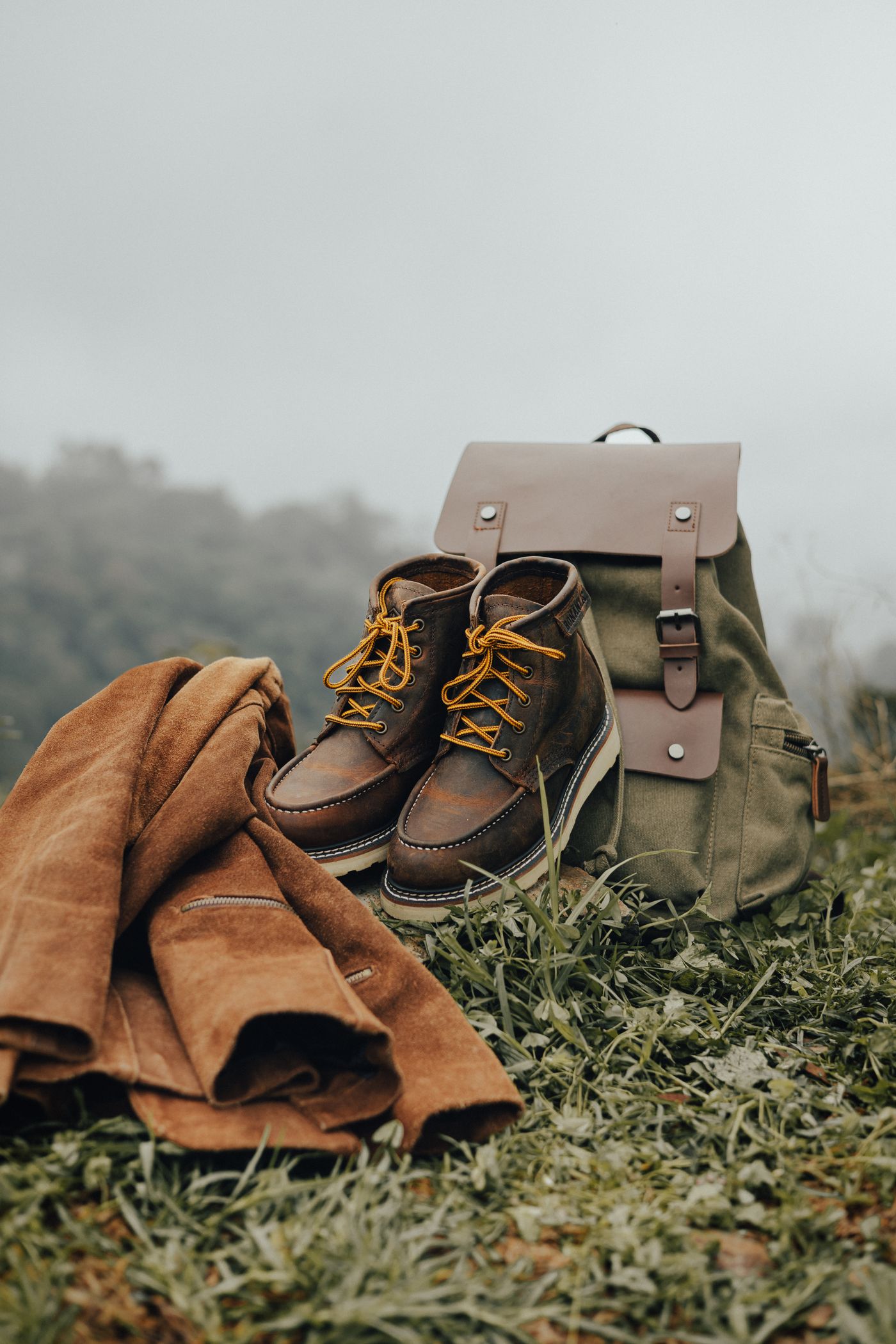
2. Footwear: comfort and traction first
| Type | Good for | Trade-off |
|---|---|---|
| Trail running shoes | Maintained trails and light loads | Less protection and structure |
| Low hiking shoes | General day hiking | Heavier than trail runners |
| Hiking boots | Rougher terrain or preference for more structure | Heavier and often warmer |
Fit matters more than the category name. Allow room for toes on descents and test footwear with the socks you intend to wear.
3. A small daypack is usually enough
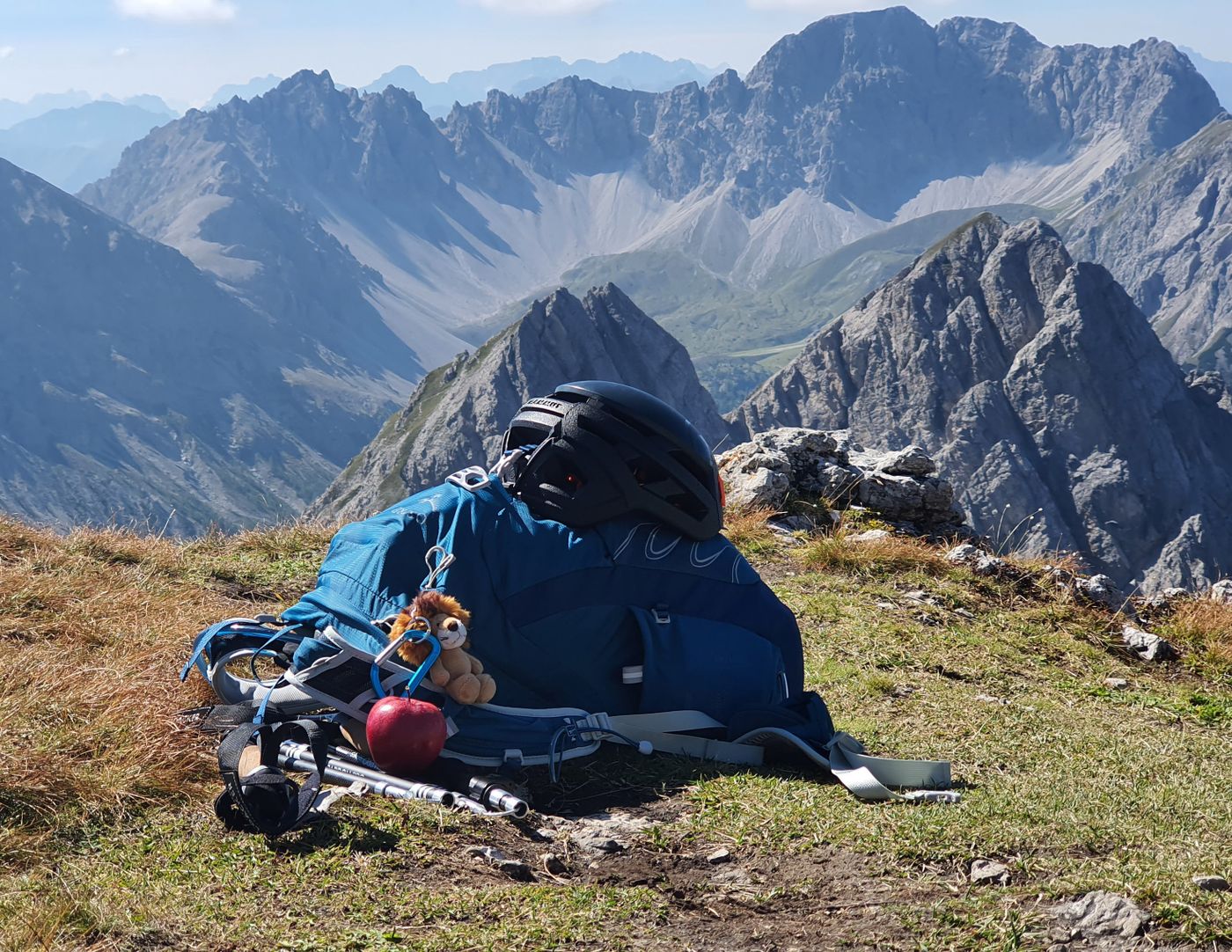
A pack needs to carry water, food, an extra layer, basic safety items and personal essentials without encouraging you to fill unnecessary space. Fit and comfortable shoulder straps matter more than having many compartments.
4. Hydration and food
Water needs depend heavily on heat, exertion, altitude and the individual. Plan conservatively and do not assume natural water is safe to drink without appropriate treatment. Bring food with some margin beyond the exact duration you expect.
5. Weather protection
A lightweight insulating or weather layer can become important even when the trailhead feels warm. In exposed terrain, sun protection may be just as important as rain protection.
- Comfortable trail footwear.
- Small daypack.
- Water and food.
- Weather-appropriate extra layer.
- Sun protection.
- Navigation available offline or on paper.
- Basic first-aid and emergency items appropriate to the route.
6. What beginners can often skip
Large expedition packs, heavy survival tools, multiple cooking systems and specialized mountaineering equipment are unnecessary for ordinary maintained day trails. Add specialized gear only when the route and conditions justify it.
Bottom line
Buy less at first. Comfortable footwear, appropriate water capacity, a well-fitting small pack and preparation for changing conditions provide a much stronger foundation than a long list of gadgets.
Related reading: how to choose an insulated hiking bottle and best day-hiking gear categories.