
Camping stoves range from tiny backpacking burners to stable two-burner systems designed for a picnic table. The right stove is determined less by maximum output than by where you carry it, what you cook and the conditions in which you expect it to work.
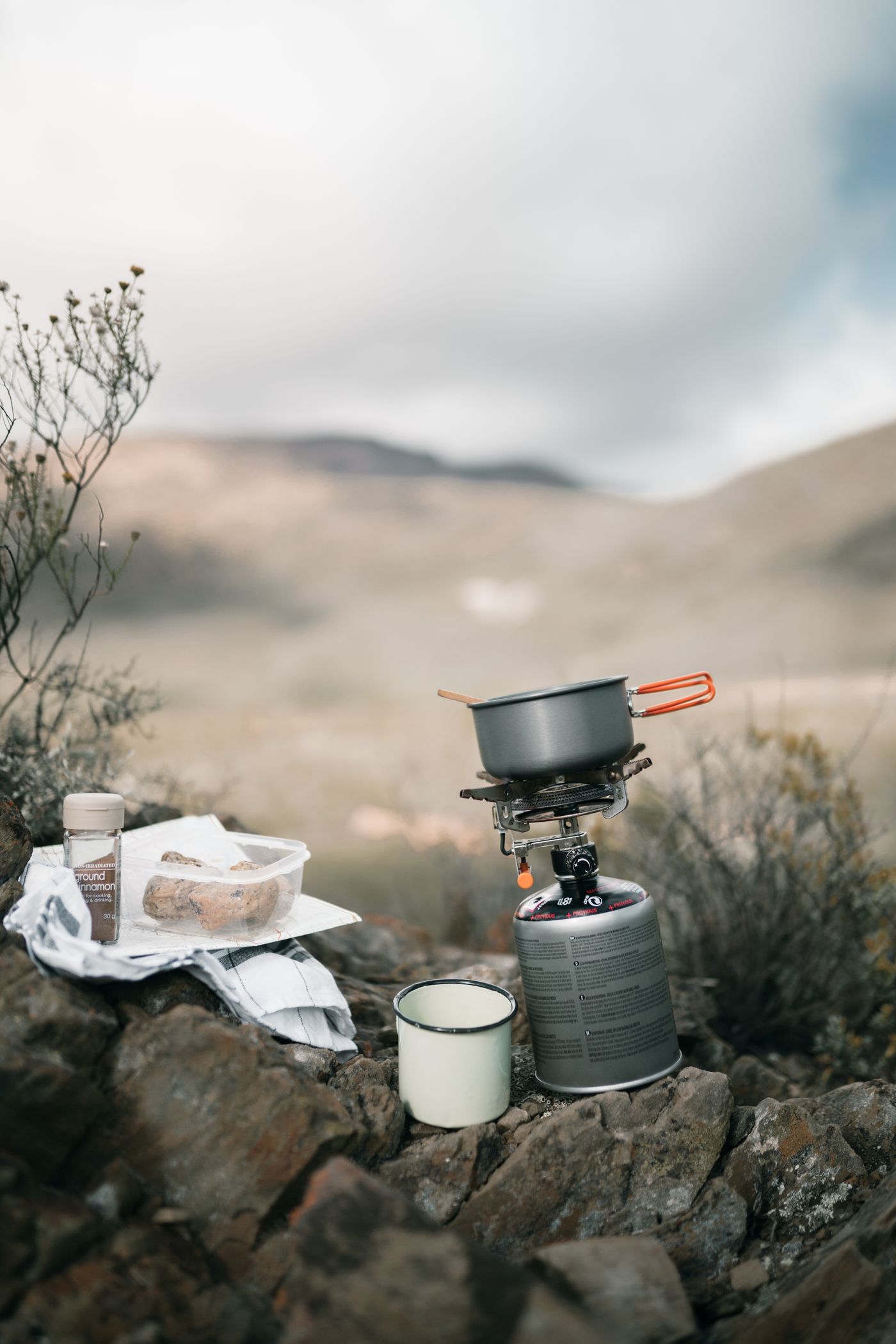
1. Backpacking or car camping?
This decision immediately narrows the field. Backpackers care about packed weight and volume; car campers can prioritize stability, cooking area and easier controls.
| Stove type | Strength | Trade-off |
|---|---|---|
| Small canister burner | Light and compact | Small pot supports and more wind exposure |
| Integrated canister system | Efficient boiling and tidy packing | Less flexible for frying and varied cookware |
| Two-burner camp stove | Stable, familiar cooking | Too bulky for backpacking |
2. Fuel availability matters
A stove is only useful when you can obtain compatible fuel. Consider what is commonly available where you camp and how fuel must be transported or stored. Air-travel restrictions are especially important for trips involving flights.
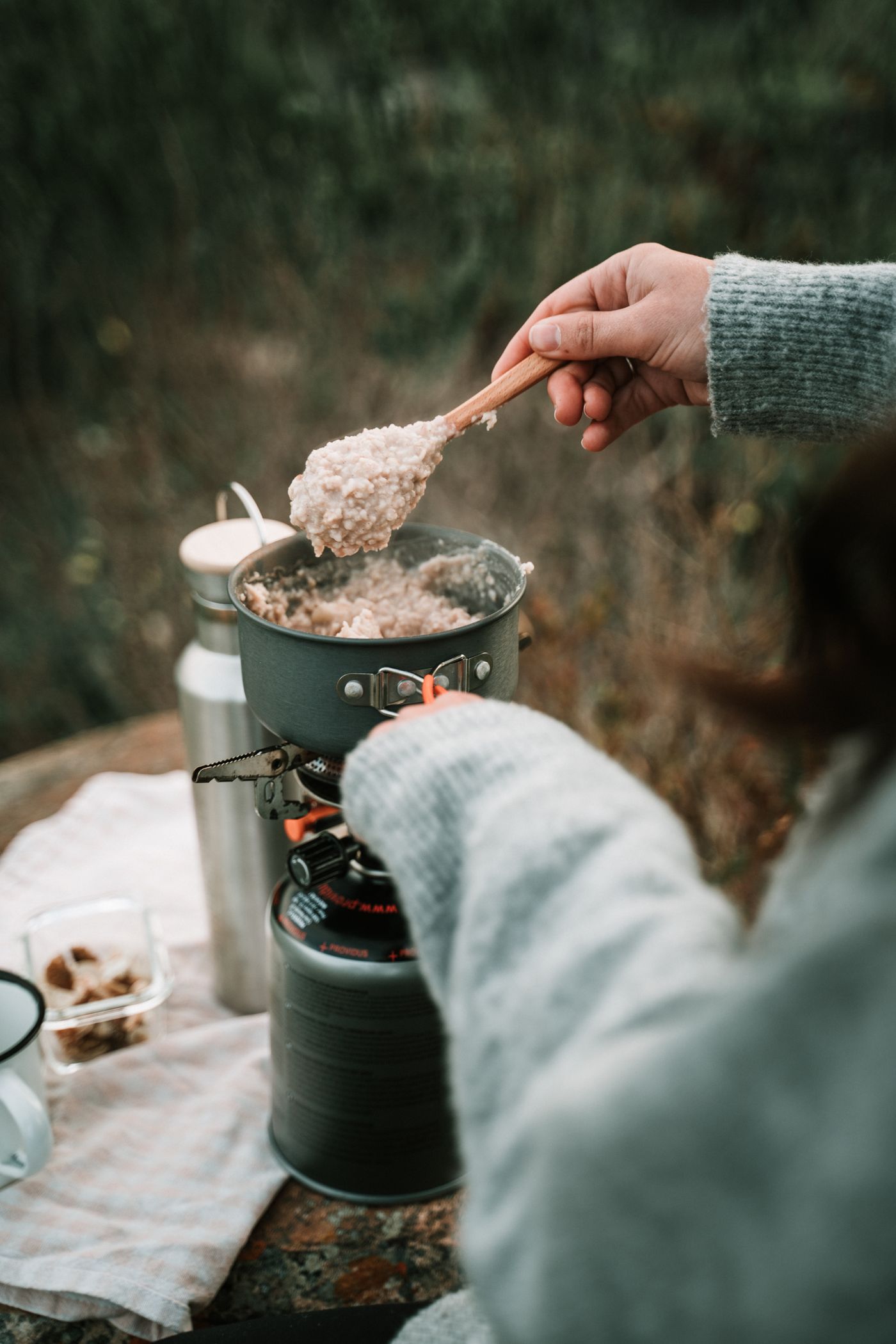
3. Boiling water and cooking meals are different jobs
If your meals mostly require boiling water, a compact or integrated system may be ideal. If you fry, simmer or cook for several people, pot stability, burner width and flame control become more important.
4. Wind changes performance
Wind can dramatically reduce efficiency and increase fuel consumption. Some systems protect the flame better than others. Use only wind protection that is safe and permitted by the stove manufacturer; enclosing fuel canisters improperly can create dangerous overheating.
5. Match the pot to the stove
A very small burner under an oversized heavy pot can be unstable. Check manufacturer guidance for cookware size and weight, especially when cooking for groups.
- Decide whether the stove will be carried or transported by car.
- List the meals you realistically cook.
- Check compatible fuel availability.
- Consider wind and cold conditions.
- Check pot-support dimensions and manufacturer safety instructions.
6. Ignition is convenient, but carry a backup
Piezo ignition can be convenient, but an independent ignition method is sensible where permitted and appropriate. Do not make a single small component the only way you can operate essential cooking equipment.
Bottom line
For simple backpacking meals, compactness and efficient boiling can dominate the decision. For car camping, a larger stable stove usually makes actual cooking easier. Choose for your cooking style first and packed size second.
Related reading: our compact camping stove research review and best compact camping cooking gear.
Choose the stove around the trip, not the specification sheet
A stove for backpacking and a stove for car camping solve different problems. Backpackers care about packed weight, fuel efficiency and simplicity. Car campers can prioritize pot stability, simmer control and a larger cooking area. Deciding which type of trip you take most often removes many unsuitable products before price becomes part of the comparison.
| Stove format | Main strength | Main limitation | Typical use |
|---|---|---|---|
| Compact canister burner | Small and light | Wind exposure and smaller pot supports | Backpacking and simple meals |
| Integrated canister system | Efficient water boiling | Less flexible for frying or wide cookware | Freeze-dried meals and hot drinks |
| Remote-canister stove | Lower profile and improved pot stability | More components | Mixed backpacking cooking |
| Two-burner camp stove | Comfortable real-meal cooking | Bulky and unsuitable for carrying far | Car camping |
Fuel type and availability
Fuel choice affects cold-weather performance, availability and transportation. Before buying a stove, check whether compatible fuel is commonly sold where you travel and whether your trip involves flights or other transportation restrictions. A technically excellent stove is a poor choice if its fuel is difficult to obtain at the destination.
Wind performance deserves more attention
Wind can lengthen boil times and increase fuel consumption. Some stove systems shelter the flame better than others, but wind protection must be used according to manufacturer instructions. Improvised windscreens can dangerously overheat fuel canisters if they trap heat around the fuel source.
Pot support and cooking style
If you mostly boil water, a narrow, efficient system can be ideal. If you fry food, simmer sauces or cook for several people, burner width, pot support and flame adjustment become more important. A stove that is excellent at boiling can still be awkward for a frying pan.
- The meals you actually plan to cook.
- Largest cookware size recommended by the manufacturer.
- Whether the stove packs inside your cook pot.
- Fuel availability at your destination.
- Cold-weather and wind considerations.
- Whether you need a true simmer rather than only fast boiling.
- Current fire restrictions at the campsite or land-management area.
Backpacking vs car-camping priorities
For backpacking, every extra component adds weight and packing complexity, so simple systems often make sense. For car camping, shaving a few ounces matters far less than stability and control. A larger stove can be the better choice when the equipment is transported by vehicle and used to cook full meals.
Frequently asked questions
Is a higher BTU rating always better?
No. Output matters, but pot design, burner efficiency, wind and flame control also influence real cooking performance.
Do I need piezo ignition?
It is convenient, but it should not be your only ignition method. Carry an appropriate backup ignition method where permitted.
Can I use a camping stove inside a tent?
Fuel-burning stoves should not be used in enclosed sleeping spaces. Combustion creates carbon monoxide and fire risk. Follow the manufacturer’s instructions and local safety guidance.
Safety note: Always follow current fire restrictions, campground rules and the stove manufacturer’s ventilation, fuel and clearance requirements.