
A built-in condensate pump can make a crawl space dehumidifier much easier to install when gravity drainage is not practical. But if you already have a reliable downhill drain nearby, paying for a pump may not be necessary.
Is a Built-In Pump Worth It?
For many crawl spaces, yes — especially when the dehumidifier cannot drain continuously downhill. A built-in pump can move collected condensate to a suitable discharge point instead of relying entirely on gravity.
The key question is not whether a pump is automatically “better.” The real question is whether your installation has a dependable gravity-drain route.
A Pump Makes Sense When…
The drain point is higher than the dehumidifier, the hose must travel farther, or there is no convenient downhill drainage route.
Gravity May Be Enough When…
A nearby floor drain, sump or other suitable discharge point sits below the unit and allows continuous downhill drainage.
What Is a Built-In Condensate Pump?
A dehumidifier removes moisture from the air and turns that moisture into liquid condensate. That water then has to go somewhere.
With gravity drainage, the water leaves through a hose that continuously slopes downward. A built-in condensate pump adds another option: it can actively move collected water toward an appropriate discharge location when gravity alone cannot provide the required route.
Built-In Pump vs Gravity Drainage
Neither method is automatically right for every crawl space. The better option depends on the location of the unit and where the condensate can safely discharge.
| Factor | Built-In Pump | Gravity Drainage |
|---|---|---|
| Drain route | More flexible when a simple downhill route is unavailable | Requires a reliable downhill path |
| Installation flexibility | Generally higher | Depends more heavily on drain location |
| Mechanical complexity | Includes an additional pumping system | Simpler drainage arrangement |
| Best fit | Awkward or elevated discharge locations | Convenient drain below the unit |
| Maintenance consideration | Pump and drain line should remain clear | Drain hose should remain clear and properly sloped |
More flexible when you cannot create a continuous downhill drain route.
Simple option when a suitable drain is already located below the dehumidifier.
Provides more freedom when choosing where to position the unit.
Uses a simpler drainage arrangement when site conditions allow it.
When a Built-In Pump Is Worth It
- The discharge point is higher than the dehumidifier. Gravity cannot move water uphill, so a pump may be the practical solution.
- You do not have a convenient nearby floor drain. A pump can provide additional flexibility for routing condensate.
- The crawl space layout makes downhill drainage difficult. Obstacles and foundation layout can make a simple gravity route impractical.
- You want continuous unattended drainage. A properly installed pump system can remove condensate without relying on manually emptying a reservoir.
- You want more freedom in unit placement. Drainage requirements often determine where a dehumidifier can physically be installed.
When You Probably Don’t Need a Pump
If your crawl space already provides a straightforward gravity-drain route, a pump may offer little practical benefit.
Nearby Low Drain
If the dehumidifier can sit above a suitable drain and the hose can continuously slope downward, gravity drainage may be sufficient.
Simple Hose Route
A short, unobstructed downhill drain route reduces the need for additional pumping hardware.
Crawl Space Dehumidifiers With Built-In Pumps
If pump drainage fits your installation, these are four crawl-space models already included in our main comparison guide. Verify current specifications and installation requirements with the merchant before purchasing.
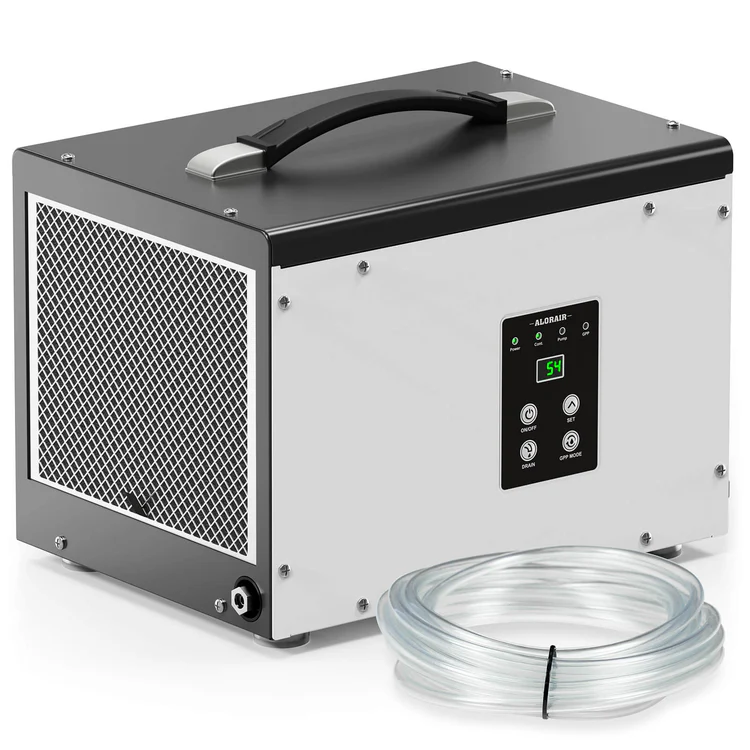
Sentinel HD35P
- Compact crawl-space design
- Built-in condensate pump
- Continuous drainage option
- Useful starting point for smaller spaces
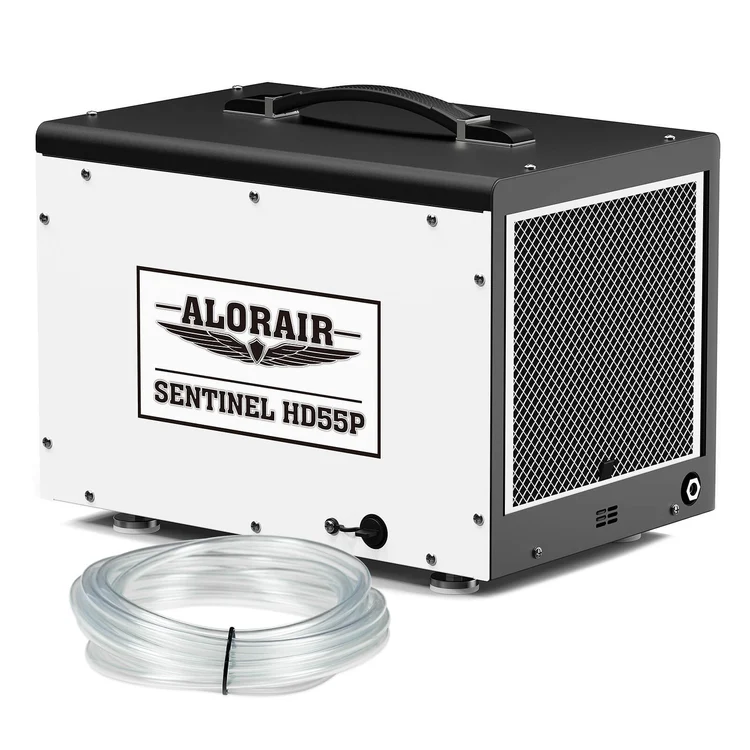
Sentinel HD55P
- Step up in moisture-removal capacity
- Built-in condensate pump
- Designed for continuous drainage
- Worth comparing for mid-size crawl spaces
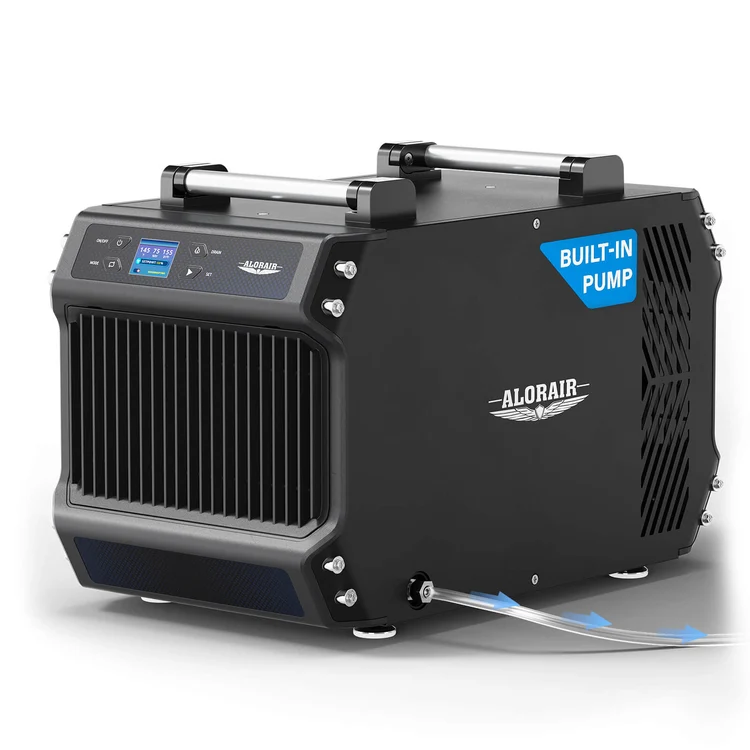
Galaxy 60P
- Higher-capacity crawl-space option
- Pump-based drainage configuration
- Designed for continuous moisture removal
- Option to compare for larger spaces
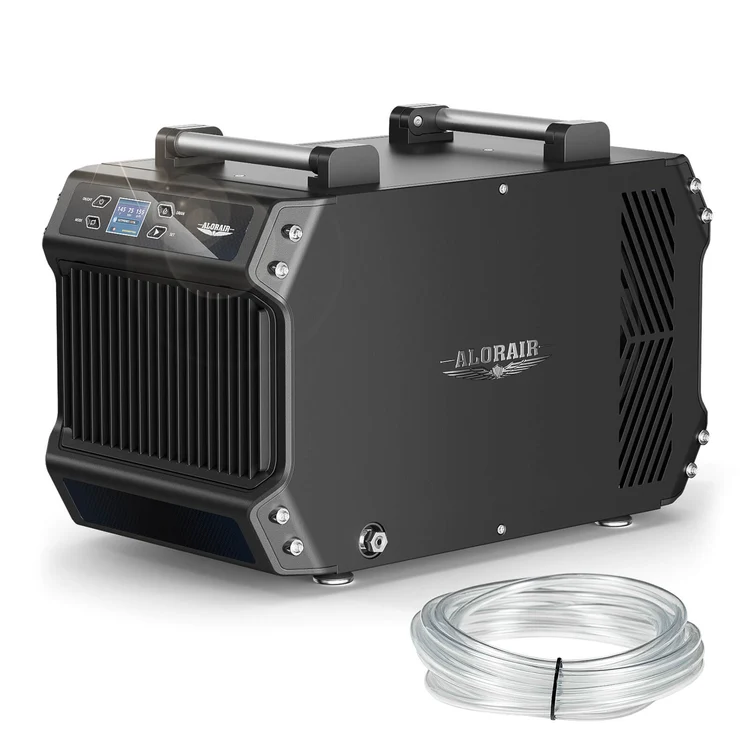
Galaxy 85P
- Higher-capacity crawl-space option
- Pump and drain-hose configuration
- Designed for demanding moisture-control applications
- Worth comparing for larger or wetter spaces
Plan the Drain Route Before Installing the Dehumidifier
Choosing a pump is only part of the drainage decision. The hose still needs a sensible route to an appropriate discharge location.
- Identify the intended discharge location before positioning the dehumidifier.
- Follow the manufacturer’s instructions for hose routing and installation.
- Avoid routing the drain line where it can easily become kinked, crushed or obstructed.
- Keep the dehumidifier accessible for filter cleaning, inspection and maintenance.
- Periodically inspect the drain hose and pump system for proper operation.
Don’t Use a Dehumidifier to Hide a Water Problem
A dehumidifier is designed to manage moisture in the air. It should not be treated as a substitute for repairing plumbing leaks, correcting major water intrusion or addressing standing water.
If the crawl space has active leakage or significant standing water, identify and correct the source of the water first. The dehumidifier can then help manage the remaining humidity load.
If you are unsure whether the crawl space humidity is actually too high, read our crawl space humidity level guide to understand useful RH ranges, how to monitor humidity and what to check when readings stay elevated.
Not Sure What Capacity You Need?
Drainage is only one part of choosing a crawl space dehumidifier. You also need to consider square footage and the severity of the moisture load.
Read our crawl space dehumidifier sizing guide to learn how square footage, moisture conditions and capacity fit together.
Built-In Pump Questions
What does a built-in pump do on a dehumidifier?
Do I need a pump for a crawl space dehumidifier?
Can a dehumidifier pump water uphill?
Is gravity drainage better than a condensate pump?
Should a crawl space dehumidifier run continuously?
Compare Crawl Space Dehumidifiers Side by Side
Once you know whether you need pump drainage, compare capacity, coverage, drainage configuration and intended use before choosing a model.
Compare the 4 Models