
Crawl space humidity is one of the most useful conditions to monitor when you are trying to prevent condensation, damp building materials and persistent moisture. A practical goal is to keep humidity in a crawl space below 60% relative humidity, while a drier target closer to 50% can provide additional margin against condensation.
What Humidity Level Should a Crawl Space Be?
As a practical crawl space humidity target, keep relative humidity at or below 60%. A level around or below 50% can provide a drier margin where condensation is a concern. The reading should be interpreted together with temperature, season, visible moisture and where the humidity sensor is located.
The most important issue is persistent high humidity rather than one brief reading. If humidity in the crawl space repeatedly stays above 60%, investigate water entry, ground moisture, air leakage, drainage and whether active dehumidification is needed.
Crawl Space Humidity Levels at a Glance
Drier Range
A crawl space below 50% RH generally provides a useful margin against condensation on cooler building materials.
Monitor the Trend
This can still fall within a practical crawl space humidity-control range, but watch whether humidity is rising or staying elevated for long periods.
Investigate the Cause
Persistent humidity above 60% deserves attention because moisture can remain elevated around framing, insulation, pipes and foundation surfaces.
Crawl Space Humidity Chart in Winter
Winter crawl space humidity can be confusing because colder air and colder building surfaces change how relative humidity behaves. A winter reading should not be judged only by comparing it with a warm-season reading.
| Winter crawl space reading | How to interpret it | What to check |
|---|---|---|
| Below 50% RH | Generally a drier condition | Continue monitoring for condensation on especially cold surfaces |
| 50–60% RH | Watch the trend rather than one isolated reading | Check foundation walls, pipes, ducts and wood for visible moisture |
| Above 60% RH repeatedly | Persistent moisture deserves investigation | Check seepage, damp ground, drainage, leaks and moisture-control equipment |
A crawl space humidity chart in winter is most useful when paired with actual observations. If the RH number looks reasonable but you see condensation, wet insulation or damp wood, investigate the moisture source rather than relying on the percentage alone.
Why High Humidity in a Crawl Space Is a Problem
Crawl spaces are common locations for hidden moisture problems. Bare soil, groundwater, plumbing leaks, humid outdoor air and poor drainage can all raise crawl space humidity.
Condensation
Humid air can condense on colder pipes, ducts, framing or foundation surfaces when those surfaces fall below the air’s dew point.
Mold Risk
Moisture control is one of the main ways to reduce conditions that support mold growth. Persistent dampness deserves attention even when mold is not immediately visible.
Moisture Moving Upward
Moisture in a crawl space can migrate through openings and affect other parts of the building.
Damp Building Materials
Wood, insulation and other materials can remain damp when the underlying moisture source is not corrected.
How to Measure Crawl Space Humidity
Use a digital hygrometer or humidity monitor rather than guessing from how the crawl space feels. For meaningful crawl space humidity data, watch readings over time rather than relying on a single measurement.
- Place the sensor in representative crawl-space air. Avoid positioning it directly against a wet foundation wall, pipe or HVAC outlet.
- Give the reading time to stabilize. A sensor that has just been moved may not immediately reflect normal humidity.
- Watch daily and seasonal trends. Compare readings after rain, during humid summer weather and during colder winter periods.
- Use more than one location in a large crawl space. Separated sections can have different humidity conditions.
- Look for visible moisture too. Condensation, standing water, damp soil and seepage matter even when one sensor reading looks acceptable.
Why Is My Crawl Space Humidity So High?
Bare or Damp Ground
Moisture can evaporate from exposed or damp soil into crawl-space air. Ground vapor-control strategies are commonly used to reduce this moisture source.
Water Intrusion
Poor grading, foundation seepage, drainage problems and plumbing leaks can introduce liquid water that a dehumidifier should not be expected to solve by itself.
Humid Outdoor Air
Air leakage or open vents can allow humid outdoor air into the crawl space. When that air contacts cooler surfaces, local relative humidity can increase.
Drainage or HVAC Issues
Condensate problems, duct leakage and other mechanical issues can contribute to unwanted crawl space moisture.
Crawl Space Humidity Control: What to Do First
Effective crawl space humidity control usually requires more than simply plugging in a dehumidifier. Start with the moisture source, then use active humidity control if the space still remains too damp.
- Stop liquid water. Repair plumbing leaks, drainage problems and repeated foundation seepage.
- Reduce ground moisture. Bare or poorly covered soil can continuously release moisture into the crawl-space air.
- Check air leakage and venting. Humid outdoor air can raise RH during warm weather.
- Inspect HVAC and condensate drainage. Duct or drainage problems can contribute additional moisture.
- Measure again. Confirm whether crawl space humidity remains elevated after obvious moisture sources are addressed.
- Add dehumidification if necessary. A properly sized unit can help maintain a lower RH when source control alone is not enough.
When Should You Use a Crawl Space Dehumidifier?
A crawl space dehumidifier can be useful when humidity repeatedly remains near or above 60% after obvious water-entry and drainage problems have been addressed.
Consider One When…
The crawl space remains persistently humid, the area is closed or encapsulated, and passive moisture control is not keeping RH low enough.
Don’t Skip Source Control
A dehumidifier removes water vapor from the air. It does not replace drainage work, plumbing repairs or control of bulk water.
Not sure how much capacity you need? Read our crawl space dehumidifier sizing guide to compare square footage, moisture load and capacity.
If drainage is the bigger question, see our built-in pump crawl space dehumidifier guide .
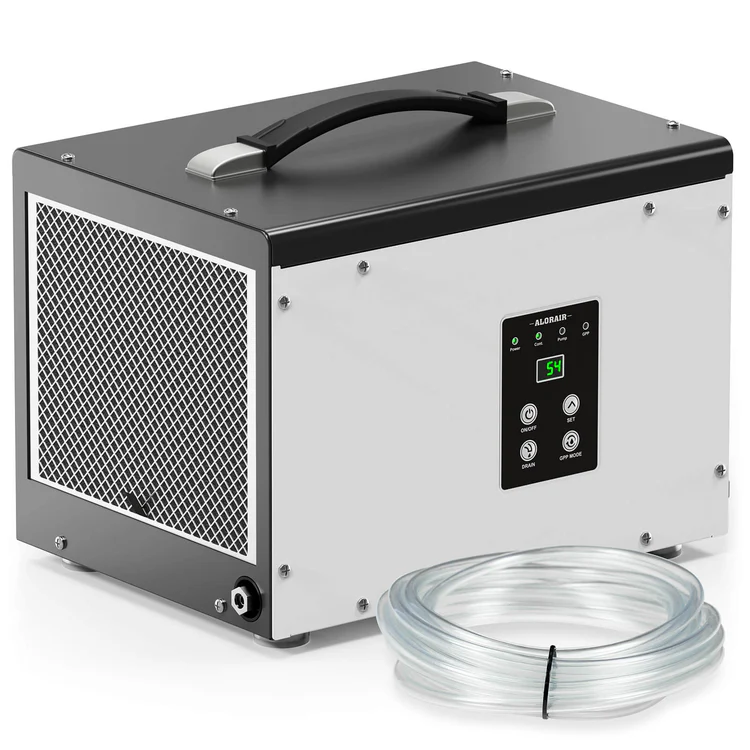
A Crawl Space Dehumidifier Should Match the Moisture Load
What to Do If Crawl Space Humidity Stays Above 60%
- Confirm the reading. Use a reliable humidity monitor and check more than one location if the crawl space is large.
- Look for liquid water. Check plumbing leaks, seepage, standing water, wet foundation walls and drainage problems.
- Inspect ground moisture control. A bare or poorly covered earth floor can continuously add water vapor.
- Review air leakage and venting. Humid outdoor air can add moisture during warm seasons.
- Use active dehumidification when needed. If source control is in place but humidity remains elevated, a properly sized dehumidifier can help.
- Continue monitoring. The goal is stable crawl space humidity control rather than a temporary low reading.
Crawl Space Humidity Questions
What is the ideal crawl space humidity?
Is 60% humidity too high for a crawl space?
Is 50% humidity good for a crawl space?
Why does crawl space humidity change in winter?
Where should I put a humidity sensor in a crawl space?
How do I control humidity in a crawl space?
Will a dehumidifier fix a wet crawl space?
Sources Used for the Humidity Guidance
Keep Crawl Space Humidity Under Control
Start with reliable humidity measurements, correct obvious water sources and monitor the trend through changing weather. If the crawl space still remains too humid, compare dehumidifier capacity, coverage and drainage options before selecting equipment.